glucose 6 phosphate dehydrogenase deficiency treatment Glucose-6-phosphate dehydrogenase (g6pdh) deficiency
Glucose-6-Phosphate Dehydrogenase (G6PD) Deficiency is a genetic disorder that affects the red blood cells. It is caused by a deficient enzyme named glucose-6-phosphate dehydrogenase, which is necessary for the normal functioning of red blood cells. People with G6PD deficiency are at risk of developing hemolysis, which is the breakdown of red blood cells. Hemolysis can cause anemia, jaundice, dark urine, and other serious health problems.
Study of G6PD Deficiency
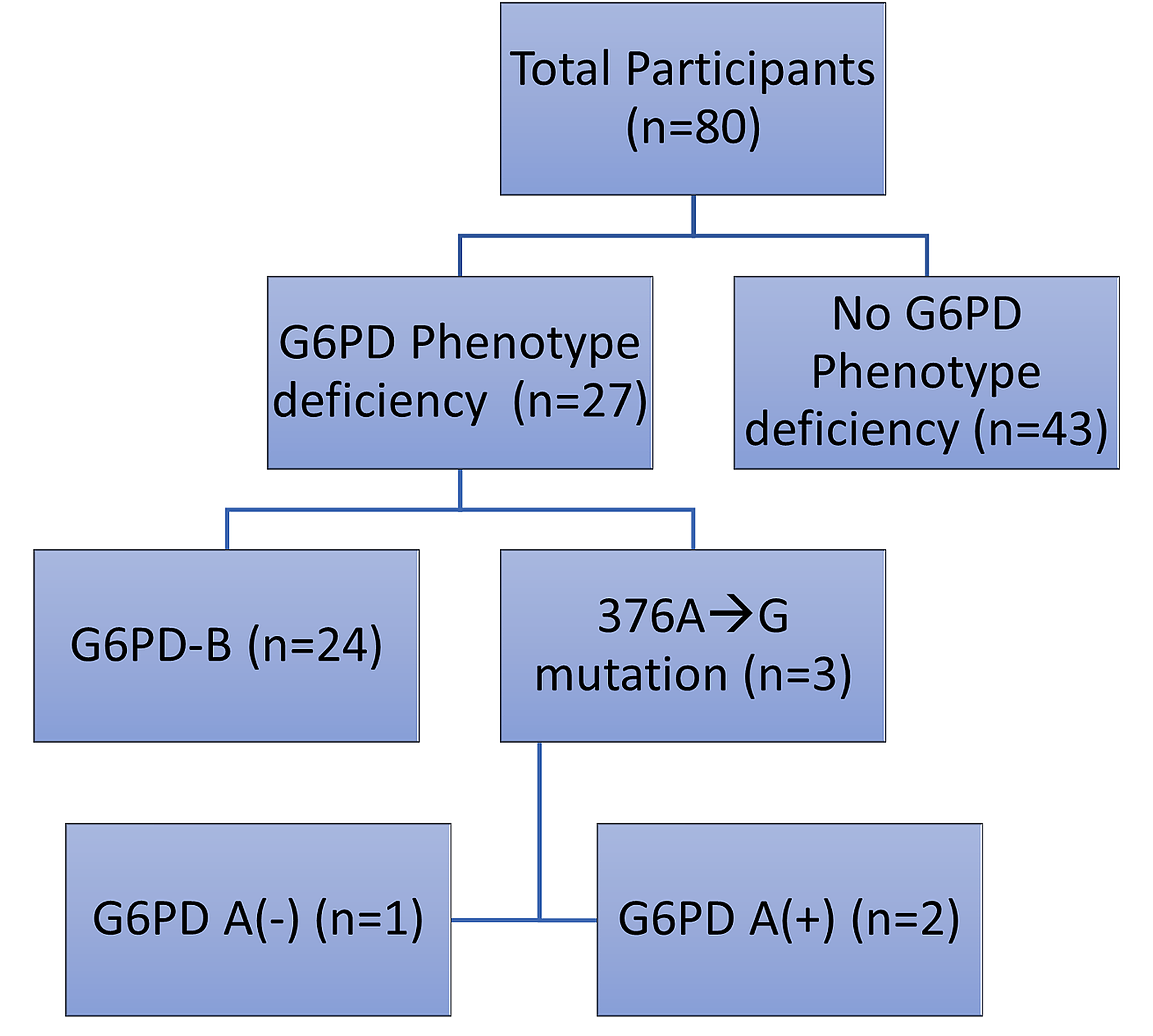 A recently published study explores the prevalence of G6PD deficiency in different regions of the world and the challenges associated with diagnosing and treating the condition. The study suggests that G6PD deficiency is widespread, affecting millions of people, mostly in Asia, Africa, and the Mediterranean. The deficiency is associated with severe infections, such as malaria, and exposure to certain drugs and toxins, such as fava beans, which can trigger hemolysis in people with G6PD deficiency.
Diagnosing G6PD deficiency is challenging, as there are many different mutations that can cause the deficiency, and the symptoms can be variable, ranging from mild to severe. The study suggests that genetic testing is the most reliable method for diagnosing G6PD deficiency, but it is not widely available in many regions of the world.
The Need for G6PD Deficiency Diagnosis and Management
 The lack of awareness about G6PD deficiency and the challenges associated with diagnosis and management are major barriers to improving the health outcomes of people with this condition. The study recommends that more research and resources are needed to improve the diagnosis and management of G6PD deficiency, including the development of more reliable genetic testing technologies and the establishment of appropriate treatment guidelines for people with the deficiency.
Overall, G6PD deficiency is a complex and challenging condition that affects millions of people worldwide. More research is needed to better understand the prevalence, symptoms, and treatments of this condition, and to improve the awareness and diagnosis of G6PD deficiency among healthcare professionals and the general public.
If you are looking for Figure 2 from Glucose-6-Phosphate Dehydrogenase Deficiency and the Need you’ve visit to the right web. We have 5 Images about Figure 2 from Glucose-6-Phosphate Dehydrogenase Deficiency and the Need like Cureus | Study of Glucose-6-Phosphate Dehydrogenase (G6PD) Deficiency, Glucose-6-Phosphate Dehydrogenase Deficiency | Oncohema Key and also Figure 2 from Glucose-6-Phosphate Dehydrogenase Deficiency and the Need. Read more:
Figure 2 From Glucose-6-Phosphate Dehydrogenase Deficiency And The Need
www.semanticscholar.orgdeficiency glucose phosphate dehydrogenase kernicterus g6pd bilirubin prevent
_.jpg
 www.osmosis.orgdeficiency glucose phosphate dehydrogenase
Glucose-6-Phosphate Dehydrogenase Deficiency | Oncohema Key
 oncohemakey.comglucose phosphate deficiency dehydrogenase
Cureus | Study Of Glucose-6-Phosphate Dehydrogenase (G6PD) Deficiency
www.cureus.comg6pd deficiency dehydrogenase glucose phosphate frequency genotypes cureus
Glucose-6-Phosphate Dehydrogenase (G6PDH) Deficiency - The Medical
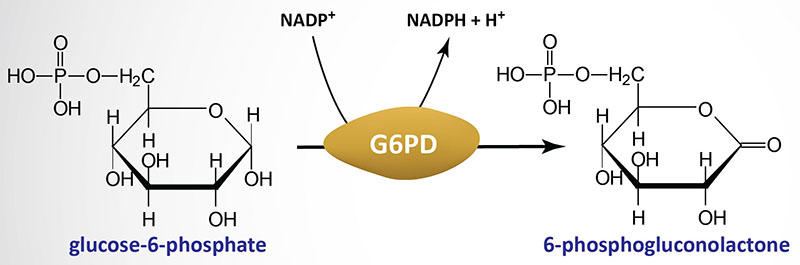 themedicalbiochemistrypage.orgg6pdh glucose phosphate dehydrogenase deficiency metabolism biochemistry
Glucose-6-phosphate dehydrogenase deficiency. Figure 2 from glucose-6-phosphate dehydrogenase deficiency and the need. Glucose-6-phosphate dehydrogenase (g6pdh) deficiency