what happens to excess carbohydrates in animals Carbohydrate carbohydrates britannica
Are you wondering what happens to excess carbohydrates in animals? Well, let me tell you, it’s an interesting process! Carbohydrates are one of the essential macronutrients required by animals. They are a main source of energy and help in maintaining various physiological functions. However, when animals consume more carbohydrates than their body requires, the excess carbohydrates are stored in various forms. One of the primary ways in which animals store excess carbs is through glycogen. Glycogen is a complex carbohydrate that is stored in the liver and muscle tissues. When animals consume excess carbohydrates, the liver converts it into glycogen and stores it for future use. When animals require energy, their body breaks down glycogen into glucose and uses it to fuel their bodily functions. Another way in which animals store excess carbohydrates is through fat. Excess carbohydrates are converted into fat and stored in adipose tissues. This provides animals with a reserve of energy that can be used in times of food scarcity. However, excessive consumption of carbohydrates can lead to obesity in animals, which can cause various health issues. Now, let’s talk about the fascinating process through which animals break down carbohydrates. When animals consume carbohydrates, the digestive system breaks them down into glucose. Glucose is then absorbed into the bloodstream and transported to various organs and tissues where it is converted into energy through a process called cellular respiration. Hedgehogs, for example, are known to consume carbohydrates in the form of fruits, insects, and small animals. When they consume fruits, the carbohydrates are broken down into glucose in their digestive system. This glucose is then used by the cells in their body to produce energy. Insects and small animals also contain carbohydrates, which are broken down and used by hedgehogs for energy. In conclusion, carbohydrates are an essential nutrient for animals as they provide the body with energy and help in maintaining various physiological functions. Excess carbohydrates are stored in the form of glycogen and fat, which provide animals with a reserve of energy. However, excessive consumption of carbs can lead to health issues and obesity in animals. So, the next time you see a hedgehog munching on a fruit, you’ll know what’s happening to those carbohydrates!
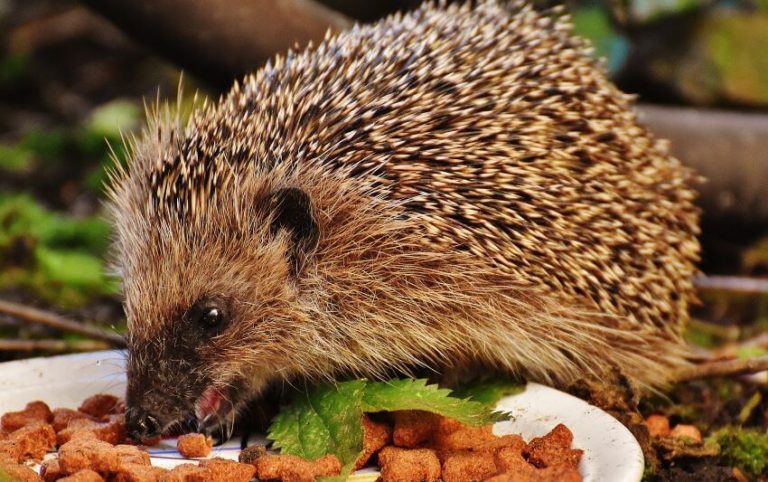 As hedgehogs consume fruits, the carbohydrates are broken down into glucose in their digestive system.
 Insects and small animals also contain carbohydrates, which are broken down and used by hedgehogs for energy.
What Happens To Excess Carbohydrates In Animals?
www.ourendangeredworld.comWhat Happens To Excess Carbohydrates In Animals?
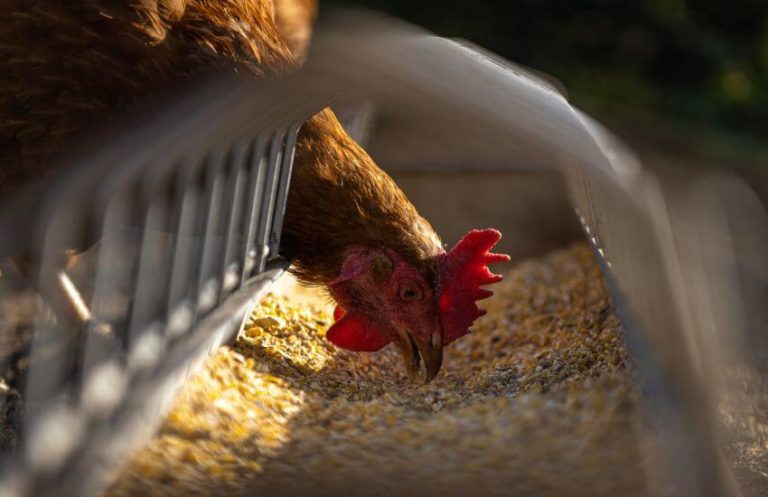 www.ourendangeredworld.comWhat Happens To Excess Carbohydrates In Animals?
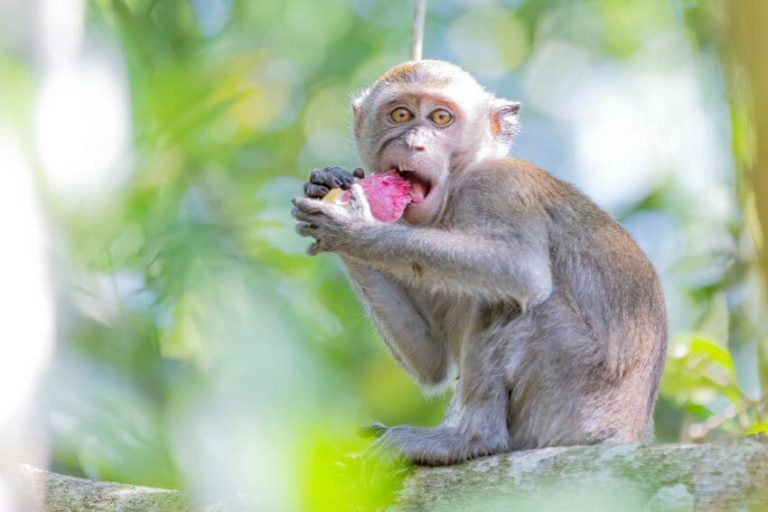 www.ourendangeredworld.comWhat Happens To Excess Carbohydrates In Animals?
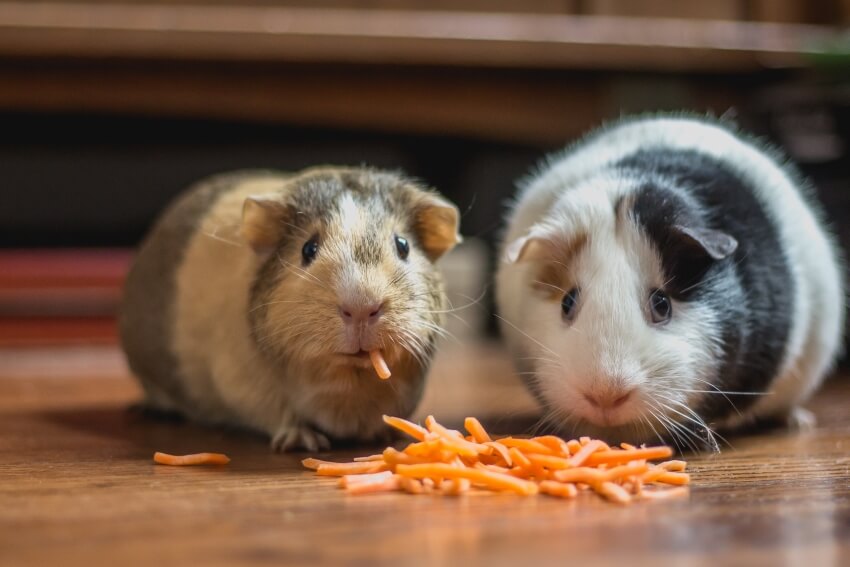 www.ourendangeredworld.comCarbohydrate - Kids | Britannica Kids | Homework Help
 kids.britannica.comcarbohydrate carbohydrates britannica
What happens to excess carbohydrates in animals?. Carbohydrate carbohydrates britannica. What happens to excess carbohydrates in animals?